EN
EN

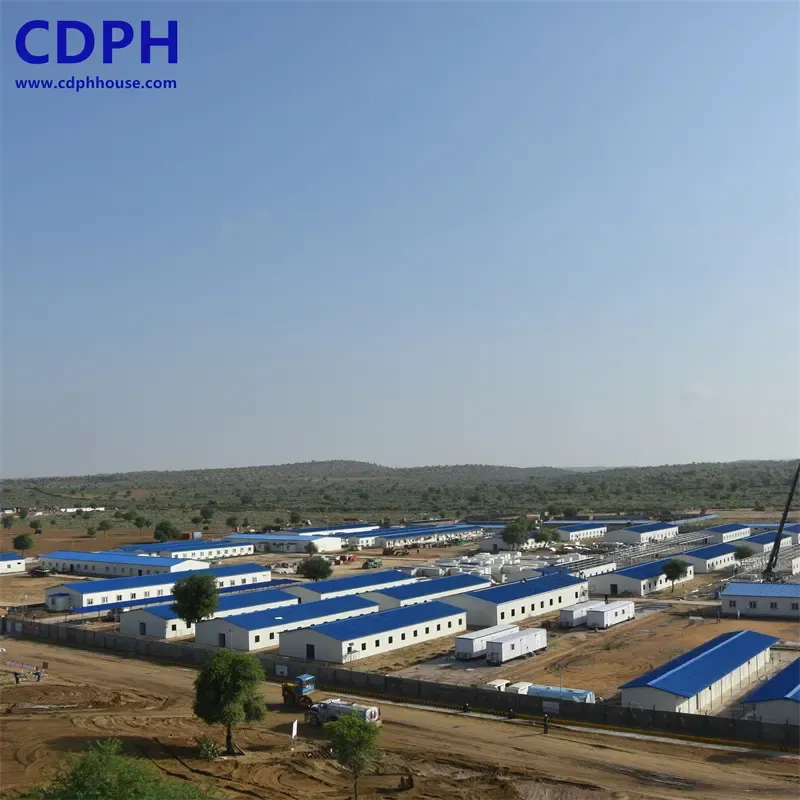
Soiléiriú ar an difríocht bunúsach: Módúla vs Réamhghinmhe do Fhoirlíon Oifige
Tá foirgnimh oifige móidheacha agus réamhghinmheacha go dtí an méid is mó gaolmhar le chéile, ach ní hé an rud céanna i gcónaí. I go leor cásanna tionscnaimh, tagann an focal 'móidheach' de ghnáth ar aonaid thri-thaobhacha iomlána, agus is féidir an focal 'réamhghinmheach' a úsáid chun raon níos leithne comhpháirteanna nó comhshórtáil a thabhairt a rinneadh as láthair. Is féidir tuiscint ar an difríocht seo cabhrú le húinéirí agus fórsaí an tionscnaimh an cur chuige ceart a roghnú do shaincheap an tseanbhrabhsa, an dearadh agus na spriocanna soláthair.
I dtógáil thráchtála, bíonn brí na dtéarma seo minic sin ag brath ar conas a bhíonn an tionscnamh struchtúrtha. D’fhéadfadh go mbeadh córas réamhghinmheacha ina meascán pinní, trúsca, cuidí ballaí, nó comhpháirteanna eile a rinneadh as láthair agus a d’fheicfeadh ar an suíomh. Is minic sin níos iomláine an córas móidheach ag an am a sheoladh, le haonaid níos mó a ullmhaítear chun suiteáil níos tapúla ar an suíomh.
Is féidir na príomh-dhifríochtaí idir foirgnimh oifige móidúla agus réamhghníomhaithe a fheiceáil sa bhealach a mbaintear iad le chéile, a ndéantar a mheas agus a n-intiogar. De ghnáth, suiteáiltear córais mhóidúla mar aonaid mhóra, agus tá córais réamhghníomhaithe níos minice ag brath ar thógáil ar leibhéal na gcomhpháirtí. Is féidir le haon de na córais seo freastal ar riachtanais an chóid, ach d’fhéadfadh an próiseas cheadaithe agus inspéicteála a bheith éagsúil de réir an chórais agus an réigiún.
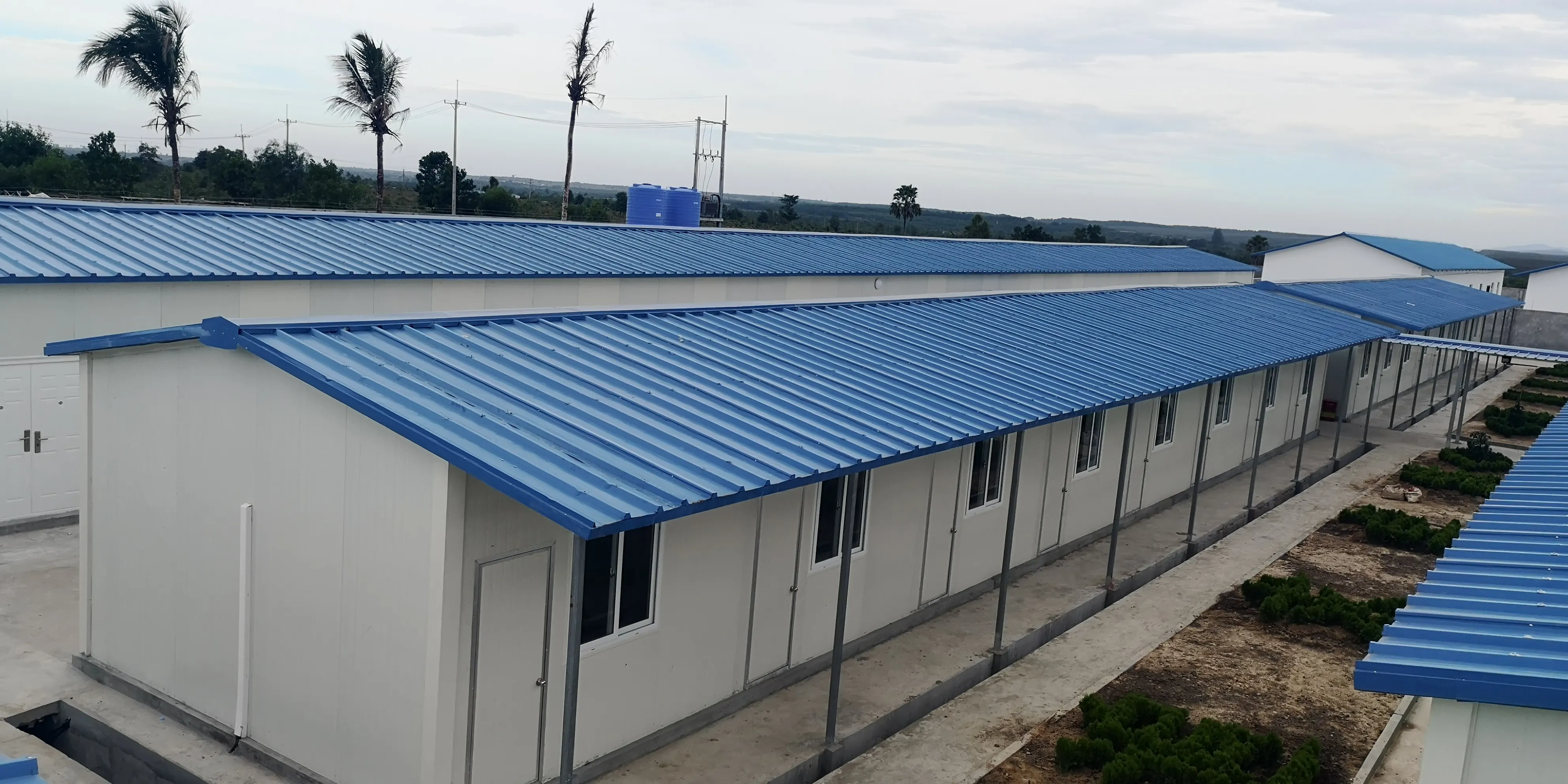
Tionchar ar Dheilbhíocht an Tionscail: Luas, Costas, agus Réamhaisnéis
Is minic a bhíonn deilbhíocht an tionscail ar cheann de na príomhchúiseanna chun tógáil oifige móidúla nó réamhghníomhaithe a mheas. Mar is féidir le tógáil san fhábric agus ullmhú an tsuíomh tarlú ag an am céanna, d’fhéadfadh na córais seo cabhrú le lámhach an tseanáis agus le feabhsú an réamhaisnéise i gcomparáid le tógáil thraidisiúnta.
Roghnóidh daoine go minic foirgnimh oifige móidúla nuair atá iontráil shasta tábhachtach. Is féidir le nádúr na hoibre san fhábric agus na hoibre ar an suíomh a bheith comhshuite, rud a chabhraíonn le laghdú na dtarlaíochtaí agus le tacú le chríochnú luaithe an tionscail, go háirithe nuair atá dáta oscailte caol ag an tionscail.
Is féidir le foirgnimh oifige réamhghníomhaíte freisin tacú le pléanáil glanaithe ar an mbuget. Nuair a phleanáilte níos mó den obair roimh ré agus a chríochnaíte i suíomh rialaithe, b’fhéidir go mbeidh tuilleadh fiosrachta ag foireann an tionscail ar na costais, ar an ord a dhéantar an obair agus ar na riachtanais le haghaidh procúrála.
Dearadh & Scaiptheacht: Meaitseáil an Radharc Ailtireachta leis an bhFíor-Realta Struchtúrtha
Is measúnuithe tábhachtacha iad an solúbthacht dhearadh agus an scaiptheacht fhadtéarmach nuair a chuireann tú i gcomparáid foirgnimh oifige modúlaí agus réamhghníomhaíte. Tá an rogha cheart ag brath ar an bhfad is mó a thagann ar aghaidh leis an dtionscail — ar luas, ar shaincheapú, ar leathnú sa todhchaí nó ar chur isteach le foirgnimh reatha.
Is minic a úsáidtear foirgnimh oifige modúlaí do thionscail i n-árthachanna ilbhearta agus do spásanna a d’fhéadfadh athrú le himeacht ama. Mar a dhearntar na modúil mar aonaid iomlána, is féidir leo tacú le stócaíocht éifeachtach, le leathnú simplí agus le feidhmíocht chothromaithe go minic i spásanna atá dúnta.
Is féidir le foirgnimh oifige réamhghníomhaíte a bheith an-úsáideach go háirithe do thionscadail íseal, do dhéantúis atá athdhéanta go minic, agus do ghlacadh isteach i dtógáil ann fós. Is féidir na córas plánaíochta agus comphoirt eile a dhéantar as láthair a chur in oiriúint níos éasca do thógáil ann fós, do choinníollacha iontacha an áit, nó do riachtanais tógála i bhfásanna.
Inimirce, Cinntiú Cálachta, agus Feidhmíocht Fadtéarmach
Is é inimirce agus cinntiú cálachta díobh seo an-dhócha mar láidreacha an chórais modúlaigh agus an chórais réamhghníomhaíte. Is féidir le tógáil bunaithe ar fhábhrac an caillteanas a laghdú, an cothrom a fheabhsú, agus tógáil agus comhshaoil a chur i mbun faoi smacht níos fearr.
Bíonn deireadh déanta ar phróiseas tógála as láthair go maith gníomhach mar ghnáth ag brath ar sheiceáilí cálachta sa fhábhrac agus ar fhíorú ar an suíomh. Cabhraíonn sé seo le dearbhú go bhfuil an t-foirgneamh cruinnithe go ceart, go bhfuil sé ag feidhmiú mar a cheapadh, agus go bhfuil sé ag fulaingt na riachtanais cuí maidir le sábháilteacht agus le feidhmíocht.
Conclúid
Tugann foirgnimh oifige modúla agus réamhtháirgeadh buntáistí úsáideacha, ach ní hé mar aon iad. Is minic a bhíonn na córas modúla níos lánaithe ag an am a dtugtar iad agus is minic a bheidh siad níos oiriúnaí do thionscadail guthanna, athráiteacha, agus tapa, agus féadfaidh na córas réamhtháirgeadh níos mó saoránachta a thabhairt do shaothair saincheaptha, do fhoirgnimh íseal-ard, nó do obair athchóirithe. Tosaíonn an rogha an chóras ceart leis an dtuiscint ar thréith an tionscadail agus ar conas a úsáidfear an foirgneamh.
Ceisteanna Coitianta
Cad é an difríocht mhór idir foirgnimh oifige modúla agus réamhtháirgeadh?
Tógann foirgnimh oifige modúla de ghnáth as aonaid thrí-thaobhacha iomlána, agus féadfaidh foirgnimh oifige réamhtháirgeadh úsáid a bhaint as meascán níos leithne de chuidí réamhtháirgeadh agus de chomhlachtaí.
Cén fáth go bhfuil tréimhsí tógála níos tapúla ag foirgnimh oifige modúla?
Is féidir le tógáil modúla tarlú níos tapúla mar gheall ar an bhfachtóir go dtarlaíonn obair an tsuíomh agus tástáil an fhocail ag an am céanna. Cabhraíonn sé seo le laghdú ar fhad an tionscadail i gcásanna go leor.
An bhfuil foirgnimh oifige réamhtháirgeadh níos costeasaí?
Is féidir leo bheith costas-éifeachtach mar gheall ar an mbunús go dtugann siad tacaíocht do phleanáil, go laghdaíonn siad caochadh, agus go dtacaíonn siad le suiteáil níos réadmhaire. Tá an luach is fearr ag brath ar an dtionscadal.
I ndiaidh aon scénáirí is oiriúnaí le haghaidh foirgnimh oifige móidúla?
Is minic a bhíonn foirgnimh oifige móidúla oiriúnach do thionscadail a dteastaíonn sainrogha tapa, leaganacha atá in ann a athdhéanamh, nó le haghaidh leathnú sa todhchaí.
Cathain ba cheart foirgnimh oifige réamhchurtha a úsáid?
Is minic a úsáidtear foirgnimh oifige réamhchurtha do thionscadail íseal, do thionscadail a athshuiteáiltear, nó do thionscadail an-ghinearálta áit a bhfuil an solúbthacht tábhachtach.
Clár na gCeannach
- Tionchar ar Dheilbhíocht an Tionscail: Luas, Costas, agus Réamhaisnéis
- Dearadh & Scaiptheacht: Meaitseáil an Radharc Ailtireachta leis an bhFíor-Realta Struchtúrtha
- Inimirce, Cinntiú Cálachta, agus Feidhmíocht Fadtéarmach
- Conclúid
-
Ceisteanna Coitianta
- Cad é an difríocht mhór idir foirgnimh oifige modúla agus réamhtháirgeadh?
- Cén fáth go bhfuil tréimhsí tógála níos tapúla ag foirgnimh oifige modúla?
- An bhfuil foirgnimh oifige réamhtháirgeadh níos costeasaí?
- I ndiaidh aon scénáirí is oiriúnaí le haghaidh foirgnimh oifige móidúla?
- Cathain ba cheart foirgnimh oifige réamhchurtha a úsáid?